


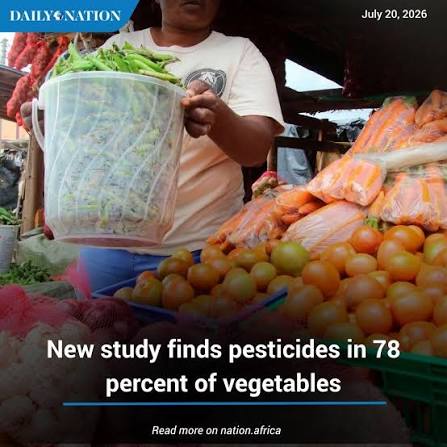
When I saw an African report from Daily Nation that 78% of vegetables have pesticides residue, I instantly recalled the podcast discussion about GMOs and associated pesticides in Africa I had with Dr. Michelle Perro, the Co-Founder & Executive Director of GMO Science.
One important highlight of the discussion was the hidden and often unconsidered effects of pesticides:
The pre-effects that occur in the field before pesticides are residual in foods and air and ingested and the post-effects that linger in the environment and in humans, which can be passed down are not common knowledge among farmers and in public.
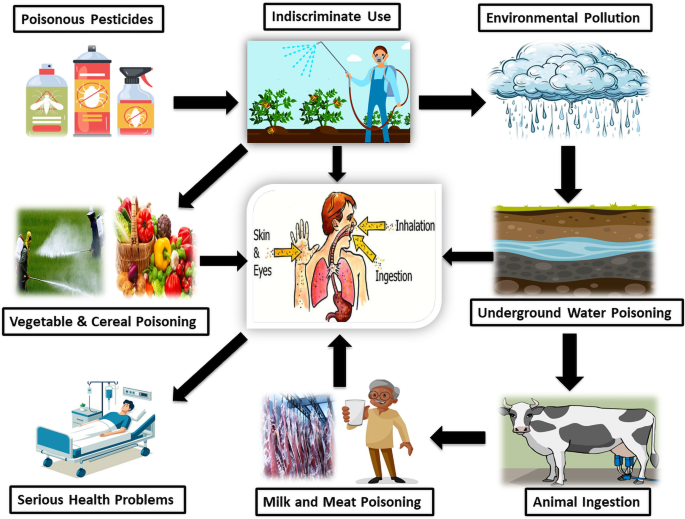
Pesticides aside just having anti-pest actions can have antimicrobial effects. This starts from the soil when pesticides are sprayed.
Unlike antibiotics used to specifically eradicate target harmful microbes in the human guts, pesticides can target soil microbes indiscriminately and exterminate beneficial microbes.
This broad-spectrum action enables harmful microbes to thrive, causes microbial imbalance, and destroys soil health.
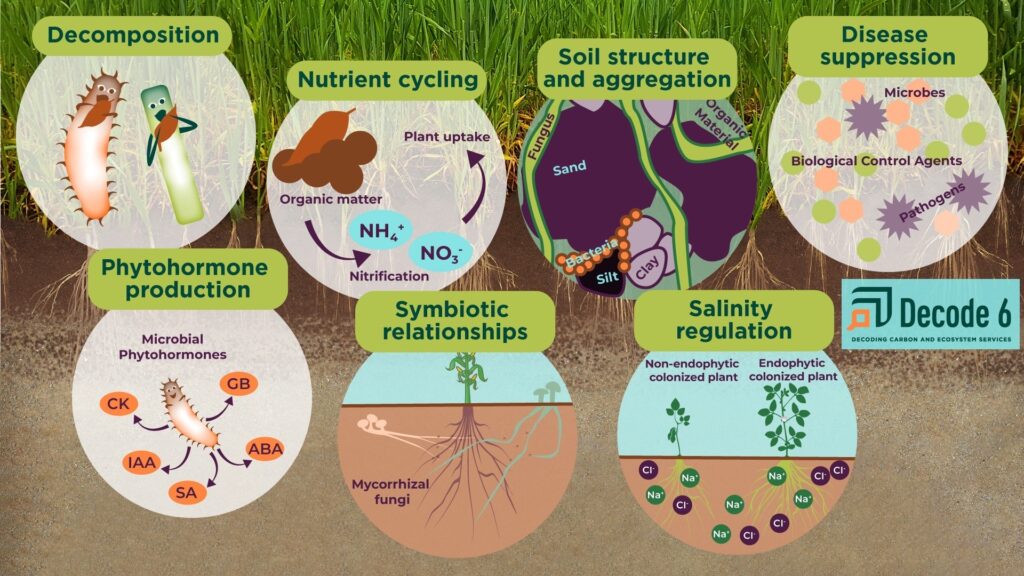
The microbes are important for nutrients breakdown, production and mobilisation for utilisation by plants. Plants basically feed off products from soil microbes, and when this is disrupted they struggle.
The dysbiosm in the soil can linger and permanently destroy soil microbial diversity.
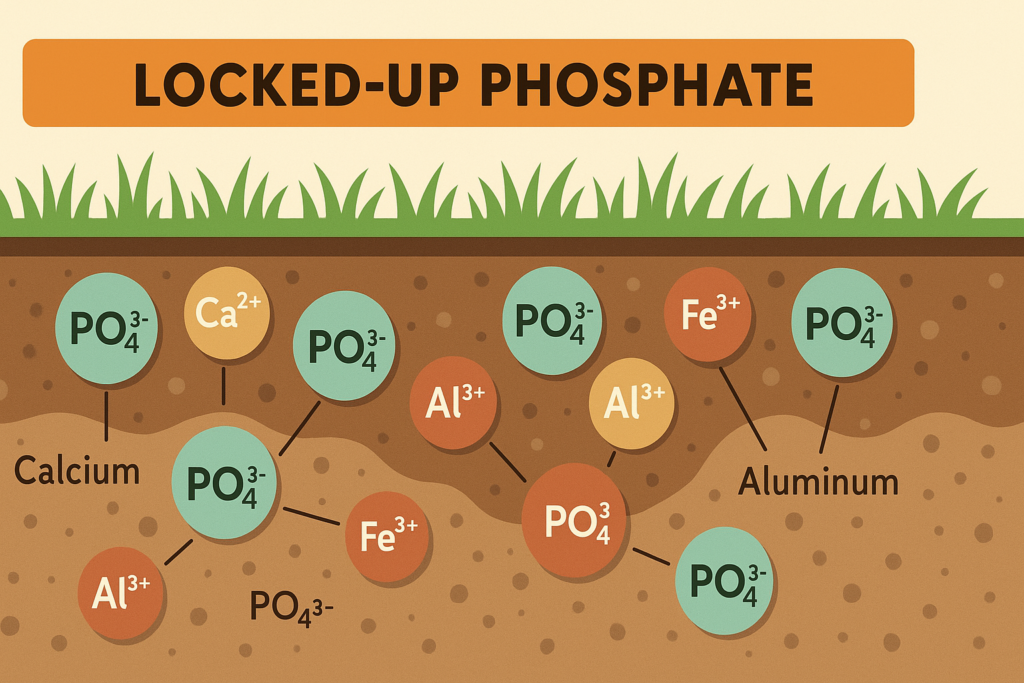
Also, many pesticides have been known to form complex with aluminum and alter soil structure (immobilize nutrients, elevate PH, promote compaction, and delay pesticide degradation), eroding the soil’s capabilities for water purification, and climate, water and aridity regulation, and to support flora and fauna.
The pesticide antimicrobial effect on the soil can also occur in the human guts.
Low-level chronic exposure to pesticides from food, water, or air can alter gut microbial community, eliminating good microbes -by direct contact and also disruption of important metabolic pathways for proper microbial functioning and growth.
Gut microbes play important role in gut health which in turn control digestion, support nutrients production and immune system, and influence mental function and health. Disruption of this vital system thus impacts overall wellbeing.
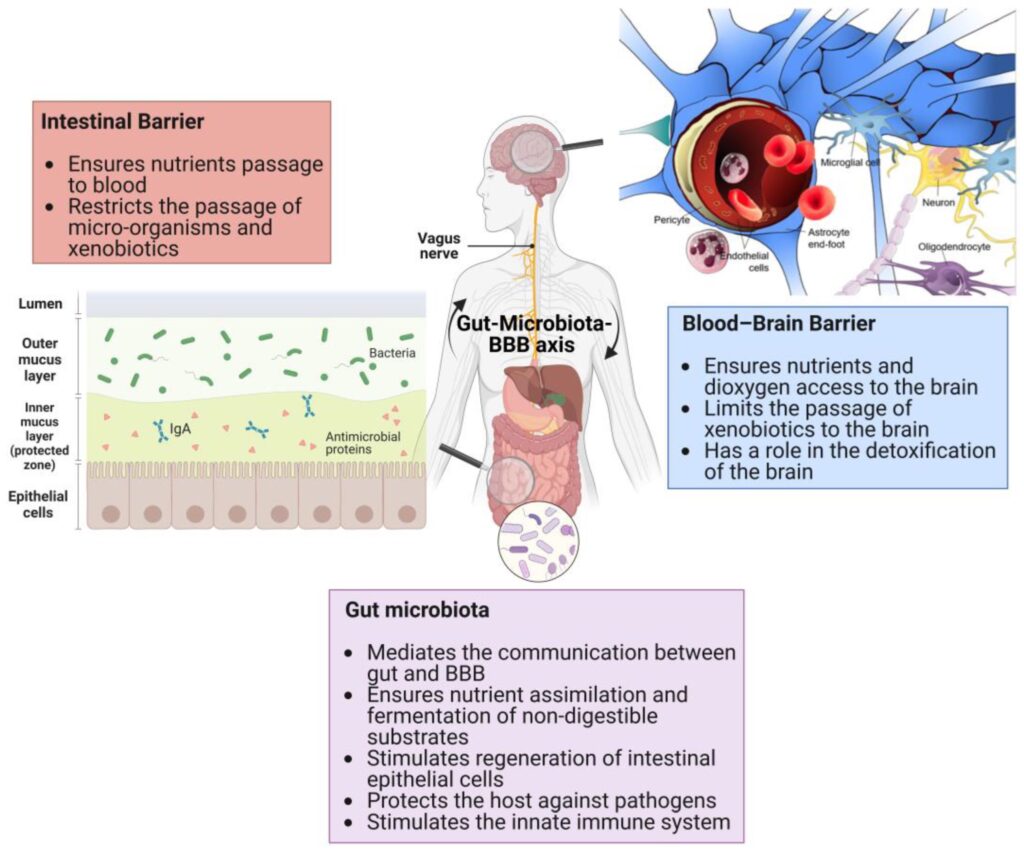
Moreover, pesticides can induce antibiotic stressor in microbes, forcing them to adapt and be super resistant, which when ingested and cause diseases can pose serious risks being resistant to medications.
The agrochemical class has been found in breast milk and confirmed to pass through the placenta. It therefore means that infants can have pesticides in their system transferred from their mothers.
The danger of this is that: infants develop their gut microbiota and gut health from their mothers. They then can inherit modified microbes from their parents; and also their blood brain-barrier still immature and developing which pesticides residues can pass through, exposes them to serious risks of infections and neurodevelopmental disorders.
The impact of these inheritance and their effects in infants are unimaginable.
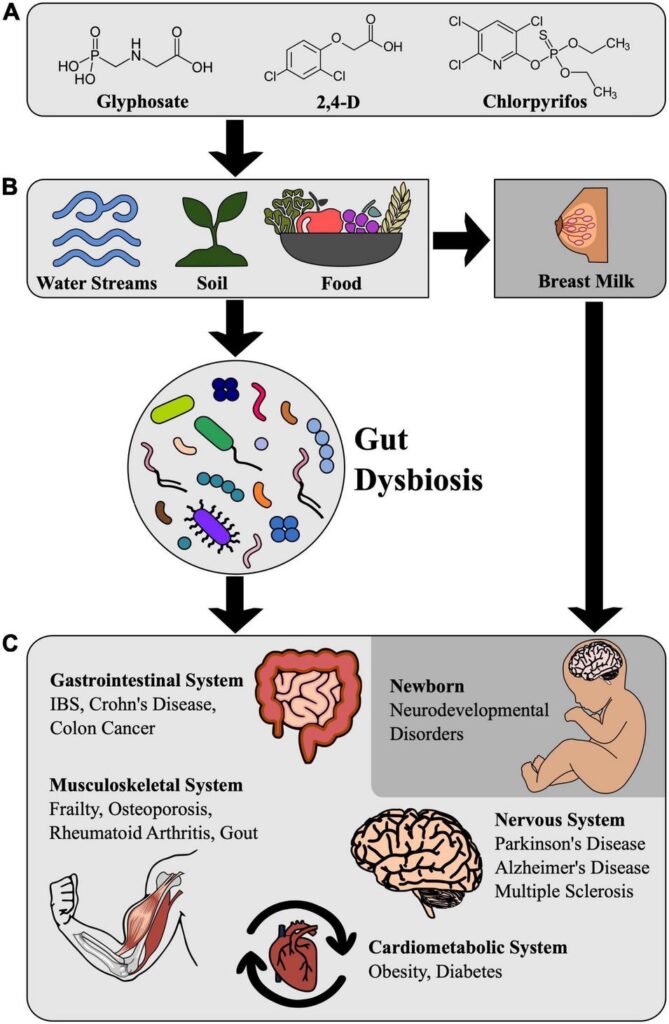
But imaging all these risks in Africa where regulations for agrochemicals are weak and pesticides banned elsewhere are still sold legally or rampantly available in the market illegally even when banned locally are deeply concerning.
So when (next) you (intend to) use pesticide or hear of pesticide risks, remember it’s not just a mere product/action that eradicates pest and/or have simple and transient effects, but one that can have multiple, real, deep, serious, and long-term impacts.